About Lienna Soderling

This author has not yet filled in any details.
So far Lienna Soderling has created 13 blog entries.

Is There A Market for Vacation Home Renovations in MN?

Minnesota’s abundant lakes, forests, and recreational areas have long made it a premier destination for vacation homes. From the North Shore of Lake Superior to the Brainerd Lakes area, cabin culture runs deep in the Land of 10,000 Lakes. For contractors, this raises an important question: is there a viable market for vacation home renovations, and what opportunities does it present?

The Minnesota Vacation Home Landscape

Minnesota boasts over 150,000 seasonal and recreational properties, representing a significant portion of the state’s housing inventory. These properties range from rustic fishing cabins to luxury lakefront estates, creating diverse renovation opportunities across multiple price points and project scopes.

The pandemic accelerated interest in vacation properties as remote work made extended stays more feasible. Many Minnesotans who previously used their cabins only on weekends now spend entire summers or work remotely from these properties, driving demand for upgrades that support year-round or extended use.

Strong Demand Drivers

Several factors are fueling the vacation home renovation market in Minnesota:

  • Aging inventory: Many cabins were built in the mid-20th century and require substantial updates to electrical, plumbing, and structural systems. Owners are choosing to renovate rather than rebuild, preserving sentimental value while modernizing functionality.
  • Changing expectations: Today’s vacation homeowners want more than basic shelter. They’re seeking modern kitchens, updated bathrooms, reliable Wi-Fi infrastructure, and energy-efficient systems that can withstand Minnesota’s harsh winters.
  • Rental income potential: With platforms like Airbnb and VRBO, vacation home renovations increasingly prioritize features that attract renters and drive income. This includes open floor plans, multiple bathrooms, outdoor living spaces, and high-end finishes.
  • Multi-generational use: Families are renovating to accommodate multiple generations, adding bedrooms, accessibility features, and gathering spaces that serve growing families for decades to come.

Unique Renovation Challenges

Vacation home projects present distinct challenges that contractors should understand:

  • Seasonal access: Many properties have limited winter access, thereby compressing the construction season to the warmer months. This requires efficient scheduling and contingency planning for weather.
  • Remote locations: Distance from suppliers, limited local subcontractor availability, and logistical complications can impact timelines and costs.
  • Regulatory considerations: Shoreland management regulations, septic system requirements, and local zoning ordinances often impose stricter standards on lakefront and recreational properties.
  • Owner availability: Out-of-town owners may have limited ability to make on-site decisions, requiring clear communication protocols and detailed planning.

Profitable Project Types

The most in-demand vacation home renovation projects include:

  • Kitchen and bathroom modernization
  • Deck and dock construction or replacement
  • Energy efficiency upgrades, including insulation and windows
  • HVAC system installations for year-round use
  • Septic system replacements and upgrades
  • Accessibility modifications for aging owners
  • Smart home technology integration
  • Outdoor living space enhancements

The Business Opportunity

For contractors willing to navigate the unique challenges, Minnesota’s vacation home renovation market offers substantial opportunities. Property owners typically have equity in these homes and view renovations as long-term investments in family legacy rather than quick resale projects. This often results in higher budgets and less price sensitivity than for primary residence renovations.

The market shows no signs of slowing. As Minnesota’s vacation properties continue aging and owner expectations evolve, contractors with expertise in recreational property renovation will find a robust, sustainable market throughout the state.


Want to keep up with the latest trends in the Minnesota construction industry? Join the Contractors Association of Minnesota (CAMN) today! 


2026-02-18T11:05:35-06:00

2026 Legislative Session

With the legislative session commencing on February 17th, much of the discussion revolves around what actually might get done this year.  The House remains evenly split 67 GOP and 67 DFL so any bill that passes will need to have bipartisan support.  The Senate has a 34 DFL and 33 GOP split so if any member of the DFL is opposed to an issue, members again will need bipartisan support.  The legislature also has a small surplus, however during an election year, it is hard to rationalize both sides compromising and passing sweeping legislation.  The session adjourns May 18th.

Minnesota’s economic budgetary outlook remains tight with a surplus remaining in the FY2026-27 biennium but facing a structural imbalance in FY2028-29.  Last year the legislature needed a special session to prevent a government shutdown and pass a two-year budget.  Being that there is a surplus, typically the legislature would consider supplemental budget bills, but with the structural imbalance in FY28-29 (a result of spending outpacing revenues) will likely keep any spending bills to very minimal and only one-time uses.

As for finding a compromise, all 201 (134 House and 67 Senate) members are up for reelection in the fall.  Along with that, the constitutional officers are all up for election as well.  Gov. Walz had originally stated he was running for a third term, but at the beginning of the year reversed his decision and stepped down paving the way for Amy Klobuchar to run.  With Gov. Walz not running again, this will be his last year to make any final impacts as governor of Minnesota and likely will be more combative now that he has nothing to lose.

Get Involved

Members of the legislature rely heavily on their constituents when considering legislation and how they may vote on certain measures. They often prioritize meetings with constituents who make the trip to St. Paul and encourage constituents to engage in the process.  Last year we held a day at the Capitol which had decent turnout from CAM members.  Due to safety and security concerns, access may be limited and days at the Capitol are uncertain.  We strongly encourage you to reach out to your elected officials and let them know your concerns.  This can be done via emailing, calling, or meeting either in person or virtually.  The team at Faegre is prepared to assist with any of these options, help compose talking points and attend meetings.  Our legislative priorities this year will be to prevent government and insurance overreaching into our practices, further advancement of fortified homes, simplifying statutes regarding look-back timelines for repairs, and workforce issues (including immigration issues).  We are still developing our legislative priorities so please do not hesitate to reach out to the legislative subcommittee with any thoughts or recommendations.

Again, your support and participation in CAM is critical to our having a strong voice at the Capitol.  We will continue to push for CAM-friendly legislation.  If you have any questions about getting involved, please don’t hesitate to reach out to Todd.

Sincerely,

Faegre Drinker Lobbying Team

2026-02-02T09:02:11-06:00

Will MN Construction Trades Suffer Labor Shortages in 2026?

As we look toward the future of Minnesota’s construction industry, the potential for significant labor shortages looms large. Various factors, including retiring laborers, a decline in young professionals entering the trades, and government immigration policies, point to challenges that could affect contractors’ ability to meet demand in 2026 and beyond.

Retiring Skilled Workers

One of the most pressing issues is the wave of retirements hitting the construction workforce. The current labor pool consists of a significant number of seasoned workers who, after decades of dedicated service, are nearing retirement age. 

According to industry reports, a significant share of construction workers in Minnesota are over 55, and as they exit the labor force, a substantial gap will be left. This demographic shift could lead to a more immediate scarcity of skilled labor, impacting project timelines and budget forecasts for contractors statewide.

Less Appetite Among Younger Workers for Construction Trades

Compounding this problem is the declining interest among younger generations in pursuing careers in the construction trades. The perception of construction work — often characterized by strenuous labor and instability — has deterred many potential entrants. Despite the industry’s potential for rewarding careers and good wages, vocational training programs have seen decreased enrollment. 

Many young people are instead opting for four-year degrees, often overlooking the lucrative opportunities available in construction. This trend not only threatens the sustainability of the trades but also jeopardizes the fostering of essential skills required for future projects.

Immigration Policies 

Government immigration policies play a significant role in the labor pool available to Minnesota contractors. Historically, immigration has been a crucial source of labor to address shortages in the construction sector. However, recent changes in immigration laws have made it more difficult for foreign workers to obtain necessary visas, further constraining the workforce. 

Moreover, increasing deportation activity is removing more from the workforce or causing other immigrants to shy away from open work opportunities. With fewer workers to fill these vital roles, contractors may struggle to complete projects on time and within budget.

How Can Contractors Address These Challenges in 2026?

To address these looming challenges, Minnesota’s construction industry must implement strategies that attract, retain, and develop a skilled workforce. Here are a few key recommendations:

  1. Promote Career Awareness and Vocational Training 

It’s essential to change perceptions surrounding construction jobs. This can be achieved through targeted outreach in high schools and community colleges to increase awareness of available career paths. Partnerships between contractors and educational institutions can help build apprenticeship programs that provide hands-on experience and a pathway to steady employment. Highlighting success stories and the benefits of working in the trades can inspire the next generation to consider these career options.

  1. Invest in Training and Development 

Contractors should invest in further training for their existing employees to upskill and retain their workforce. This could involve offering professional development opportunities, safety training, and incentives for workers to gain additional certifications. A skilled and knowledgeable team is not only more productive but also helps ensure quality work that minimizes costly mistakes and delays.

  1. Advocate for Supportive Immigration Policies 

Engaging with policymakers to address immigration-related challenges can bring about significant changes. The construction industry needs a collective voice advocating for policies that make it easier for skilled workers from abroad to enter the workforce. A focus on legislative reforms that facilitate the immigration process for trade professionals can significantly bolster the labor market. 

To strengthen this effort, the Contractors Association of Minnesota has created a Labor Advocacy Group specifically focused on labor demand and workforce access. The group’s mission is: “The Contractor Labor Advocacy Group, a subcommittee of the Contractor Association of Minnesota, works to stabilize and strengthen the state’s construction industry by expanding lawful workforce access through collaborative partnerships with contractors, workers, trade associations, and government agencies that reduce disruptions, address labor shortages, and build a stable, trusted, and reliable labor force.”

By supporting workforce solutions like the Labor Advocacy Group, contractors can better position themselves to meet future demands while ensuring the sustainability of Minnesota’s construction workforce.

  1. Embrace Technology and Innovation 

The construction industry can also benefit from adopting new technologies that streamline processes and increase efficiency. By integrating technology such as construction management software, drones, and automation, contractors can do more with fewer workers. This shift not only improves productivity but can also make the sector more appealing to tech-savvy younger generations.

As Minnesota’s construction trades look toward 2026, addressing these imminent labor shortages is crucial for the industry’s health and growth. By fostering a new generation of workers, enhancing training, advocating for immigration reform, and embracing technology, contractors can better position themselves to meet future demands while ensuring the sustainability of Minnesota’s construction workforce.

Want to keep up with the latest trends in the Minnesota construction industry? Join the Contractors Association of Minnesota (CAMN) today! 

2026-01-21T15:37:31-06:00

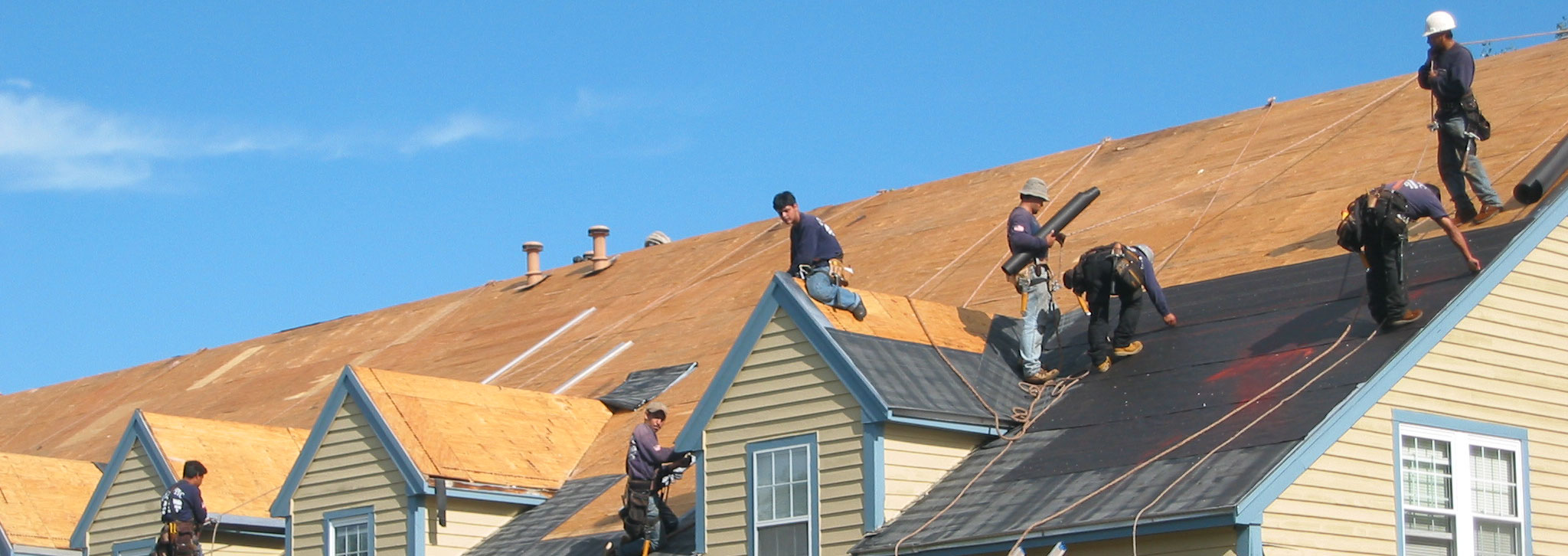
What to Do If You Have Winter Roof Damage — And Why It’s Important to Choose a Qualified CAMN Roofer

Minnesota winters are tough—heavy snow, ice dams, freezing rain, and high winds can take a serious toll on your roof. If you’ve noticed leaks, missing shingles, or water spots on your ceiling this season, you’re not alone. Each year, thousands of Minnesota homeowners face winter roof damage caused by extreme weather. Knowing what to do next—and who to call—can make the difference between a quick repair and a costly disaster.


At the Contractors Association of Minnesota (CAMN), we help homeowners connect with qualified, licensed, and insured roofing professionals who meet the highest industry standards. Before you call just anyone to climb onto your roof, here’s what you should know.


Step 1: Assess the Damage Safely

After a winter storm, start by visually inspecting your roof from the ground. Look for:


  • Missing or curled shingles


  • Sagging or uneven areas


  • Ice dams along the eaves


  • Water stains or wet insulation in your attic


  • Interior ceiling spots or peeling paint


Avoid climbing on your roof when it’s icy or snow-covered—it’s extremely dangerous. Instead, take photos from the ground and note any signs of damage. These can be helpful for both your roofer and your insurance company.


Step 2: Act Quickly to Prevent Further Damage

Even small roof leaks can lead to big problems if ignored. Moisture intrusion during freeze-thaw cycles can rot wood, damage insulation, and lead to mold growth inside your home.


If you suspect damage, contact a qualified CAMN roofer immediately. Many contractors offer emergency roof repair or temporary tarping services to protect your home from additional water infiltration until a full repair or replacement can be completed.


Step 3: Work with a Trusted, Certified Professional

After major storms, it’s common for out-of-town or unlicensed contractors—often called “storm chasers”—to flood Minnesota neighborhoods offering quick, cheap repairs. Unfortunately, many homeowners end up with poor-quality work or unfinished jobs once those crews leave town.


Choosing a CAMN member roofer helps you avoid that risk. Every contractor who belongs to the Contractors Association of Minnesota is properly licensed, insured, and verified to meet Minnesota’s construction and safety standards. Our members are reputable, local professionals committed to quality workmanship, fair pricing, and ethical business practices. Some reasons to choose a CAMN roofer:


  • Verified Licensing and Insurance: CAMN ensures all members are fully compliant with Minnesota state regulations.


  • Proven Experience: CAMN roofers have years of local experience dealing with the unique challenges of Minnesota’s harsh winters.


  • Commitment to Quality: Our members adhere to the highest industry standards and best practices.


  • Local Accountability: CAMN members live and work in Minnesota communities—they stand behind their work long after the job is complete.


  • Consumer Protection: CAMN helps homeowners make informed decisions and avoid fraudulent contractors.


Step 4: Contact Your Insurance Company

Once a CAMN contractor has inspected your roof and documented the damage, notify your homeowner’s insurance company. Your CAMN roofer can often assist with inspection reports and cost estimates to streamline the claims process.


Protect Your Home and Your Investment

Your roof is your home’s first line of defense against Minnesota’s winter weather. If you suspect damage, don’t wait until spring—take action now. Working with a qualified CAMN roofing contractor ensures your home gets the professional attention it deserves, backed by experience, integrity, and quality you can trust.


To find a trusted, licensed roofer in your area, visit the Contractors Association of Minnesota (CAMN) online and use our Find a Contractor directory. Protect your home—and your peace of mind—by choosing a CAMN member today.

2026-01-08T11:15:25-06:00

He Never Asked. Our Community Said Yes | Honoring Those Who Served

When a Minnesota veteran needed a new roof, he never asked for help. But our community stepped up and said yes.

In partnership with DAV of Minnesota, Grand Exteriors, CertainTeed, and ABC Supply, CAM proudly helped provide a safe, reliable roof for someone who’s given so much to our country. This project is a powerful reminder of what can happen when contractors, suppliers, and local organizations come together with one purpose: supporting those who’ve served.

This is community.
This is collaboration.
This is CAM in action.


Watch the impact story above and learn how CAM continues to strengthen and serve Minnesota communities.

2025-11-17T11:36:51-06:00

It’s Not Too Late to Replace Your Roof Before Winter

It’s Not Too Late to Replace Your Roof Before Winter

If you’ve been putting off that roof replacement, now is the time to act. Late summer and early fall are the ideal seasons to replace your roof in Minnesota—before winter weather puts your home to the test. With snow, ice, freezing temperatures, and high winds just around the corner, your roof needs to be at its strongest.

At the Contractors Association of Minnesota (CAM), we help homeowners connect with trusted, local roofing professionals who are ready to get the job done right—and done in time.

Why Replace Your Roof Before Winter?

Minnesota winters are no joke. A compromised roof can lead to:

  • Ice dams and water damage
  • Leaks during freeze–thaw cycles
  • Increased heating bills due to poor insulation
  • Structural damage from heavy snow accumulation

According to the National Roofing Contractors Association, roofs over 20 years old are more likely to fail during extreme weather—and in Minnesota, winter conditions can start as early as October. Replacing your roof now helps avoid emergency repairs during a blizzard or subzero cold snap.

Why Hire a CAM Roofing Contractor?

  • Peer-Vetted by Other Contractors: Every CAM member is evaluated by fellow industry professionals—not just paperwork. This ensures that you’re hiring someone with real-world experience and a proven reputation.
  • Local and Reliable: CAM contractors are based right here in Minnesota. We do not allow out-of-state “storm chasers”—those fly-by-night companies that roll in after a storm and vanish after the checks clear. With CAM, you’re hiring someone with roots in your community.
  • Minimum Three Years in Business: Newly opened operations don’t make the cut. All CAM members must have a minimum of three years in business, demonstrating stability, experience, and trustworthiness.
  • A+ BBB Ratings: Over 95% of our members have an A+ rating with the Better Business Bureau. That track record speaks volumes about customer satisfaction and professionalism.
  • Ongoing Compliance Checks: Every CAM member is reviewed annually for Department of Labor & Industry (DLI) enforcement actions to ensure they remain in good standing and follow all state regulations.

Get It Done Right—Before the Snow Falls

Minnesota winters can be brutal. Don’t risk heading into the season with a roof that’s past its prime. Hire a CAM-certified contractor and rest easy knowing your home is protected by a licensed, local professional who’s been thoroughly vetted.

2025-09-08T12:11:19-05:00

Changes To Insurance Policies Are Affecting Homeowners In Minnesota

As insurers face rising costs from severe weather, homeowners insurance policies are being adjusted to limit their financial exposure, particularly concerning storm and wind damage.
Major changes include higher, percentage-based deductibles; reduced coverage for older roofs; and limitations on coverage in high-risk regions.

Higher deductibles for wind and hail

Insurance companies are increasingly shifting from fixed-dollar deductibles to higher, percentage-based deductibles specifically for wind and hail damage.
  • How it works: This deductible is a percentage—typically 1% to 5%—of your home’s total insured value. If your house is insured for $500,000, a 2% wind and hail deductible means you must pay the first $10,000 of a claim yourself.
  • Why it’s changing: As catastrophic weather events and associated claims become more frequent and expensive, insurers are transferring more of the initial financial burden to the policyholder.
  • Compare your policy: Homeowners should compare their new wind/hail deductible to their standard “all peril” deductible, as the storm-specific amount can be significantly higher. 

Reduced coverage for older roofs

Insurers are becoming stricter about the age and condition of a roof when determining coverage for wind and hail damage.
  • Shift to Actual Cash Value (ACV): Policies increasingly offer Actual Cash Value (ACV) for older roofs rather than Replacement Cost Value (RCV). With ACV, the payout is based on the roof’s depreciated value at the time of the claim, leaving the homeowner responsible for the difference. Some companies apply this to roofs as young as 10 to 15 years old.
  • Cosmetic damage exclusions: Some policies exclude coverage for cosmetic damage caused by hail, such as dents in a metal roof, even if it does not affect the roof’s function.
  • Higher premiums and inspections: To manage risk, some carriers are requiring more frequent inspections and charging higher premiums for homes with older roofs. 

Limits on coverage in high-risk areas

In states that have a high frequency of catastrophic weather, some insurers are limiting or dropping coverage entirely.
  • Withdrawal from high-risk states: Insurance companies, including major carriers like State Farm and Allstate, have stopped writing new policies in some states with high risks from wildfires, hurricanes, and severe storms.
  • Carrier insolvency: In hurricane-prone areas, some smaller insurers have become insolvent after recent hurricanes, leaving homeowners with fewer options.
  • Restricting coverage: Other insurers are restricting coverage by increasing deductibles, capping payouts, or even excluding certain perils like wind and fire. 

What this means for homeowners

Given these market changes, it is essential for homeowners to be proactive.
  • Read your policy carefully: Do not simply compare premiums at renewal. Review your policy’s fine print for specific deductibles and coverage limits related to wind, hail, and roof damage.
  • Evaluate out-of-pocket costs: Understand how a percentage deductible could affect your finances if you file a claim. For a $400,000 home with a 2% deductible, you will pay the first $8,000 of damage.
  • Assess your roof’s condition: With the shift to ACV for older roofs, consider the implications for your potential claim payout. Regular roof maintenance can extend its life and may be required to maintain coverage.
  • Consider mitigation efforts: Making upgrades to your home, such as installing storm shutters or a new roof with impact-resistant materials, may help you secure better coverage and even qualify for discounts. 
2026-07-07T14:29:29-05:00

CAM – 2019 Year In Review

Things are going well for CAM! We just had a very nice storm event that should have everyone finish strong for 2019 and start off 2020 in a good position.

CAM has had over 10 years of hard work by members, suppliers, manufacturers and former board members building the foundation for our organization to face the challenges and the opportunities that lie ahead.

CAM has built a good working relationship with the Department of Labor and Industry that did not exist 10 years ago. We have a full time lobbyist protecting our interests and quashing any rogue ideas the insurance federation comes up with at the Capitol. There has not been one piece of harmful legislation that has gotten through in 10 years, but Lord knows they have tried. CAM was also able to push through our first piece of legislation regarding notifying homeowners that waiving deductibles is against MN law.

In the last several years, we have met with the Department of Commerce concerning insurance carrier misbehavior, the Minnesota Department of Health in regards to Lead RRP, and the top building code officials in Minnesota to try to enforce insurance to build to MN code. Several of us have testified at the Capitol when the insurance federation was trying to play fast and loose.

We are now an affiliate of the National Roofing Contractors Association-NRCA- and look forward to offering benefits, education and discounts to all of our members.

We have a good working relationship with the Builders Association of MN and have joined forces fighting harmful bills that would have negatively impacted our businesses and our homeowners. This spring we participated in Builder’s Day at the Capitol and about 30 of us from CAM were able to sit down and meet individually with each of our senators and representatives. That was a powerful day. I would like to see 100 of us there next year.

We have an education committee that has been traveling the state to teach contractors best practices for running a business in today’s environment. Tim Johnson from RSJ and Mike Goldenstein from GAF spent their spring in Mankato, Duluth, Rochester and multiple locations in the Twin Cities educating contractors about the law and manufacturing specs-how to use them to make sure a home is properly restored. We have also teamed up with the BBB to help homeowners when their home suffers a loss and all the different services the BBB provides to contractors.

We also have a group of dedicated board and committee members who take time from their busy life to volunteer for the good of our industry as a whole, not just their own company.

So, what does the future look like? As we continue to have storm events that are more severe and expensive, this will have far reaching impact on all of our businesses. We need to proactively create our future, not just blindly react to insurance companies, regulations and legislation after the fact-when it might be too late.

What do we want for the future of CAM?

We want 100 contractors at Builders Day next Spring- we want them to know CAM is a force to be reckoned with. We want CAM to be a resource for homeowners to find a good contractor- for our seal to mean they have found someone they can trust. We want to help contractors become better business people, to be leaders in the industry. We want everyone to stop using the phrase “Code Upgrades” and start using the correct term- Minimum Code Standards. It’s not an upgrade, it’s the law and we should be paid for it!

Most of all we want us as contractors to get beyond our own competitiveness and work together against the insurance companies – because right now they are kicking our ass out there every single day. Until we get over ourselves and look at that other contractor in the truck at the stop light with the ladder hanging out–not as an enemy, but as powerful ally- they are going to continue to kick our asses.

What can you do to help?

Get the word out! If you are a sponsor, you see many more contractors on a daily basis than our contractor members ever will. Let your customers know about how we protect their businesses and our upcoming education events. Every time you can help your contractors, you make them more successful. Every successful contractor you work with makes you more successful.

If you are a contractor and not a member, you should be. We are the only ones fighting for you out there.

No other association looks out specifically for the Exterior and Remodeling Contractor like we do………

We have a great opportunity to make real progress for our organization and our industry. Let us take that opportunity and run with it.

Tracy Dahlin
Chairperson – CAM Voting Board

2020-01-21T10:00:38-06:00

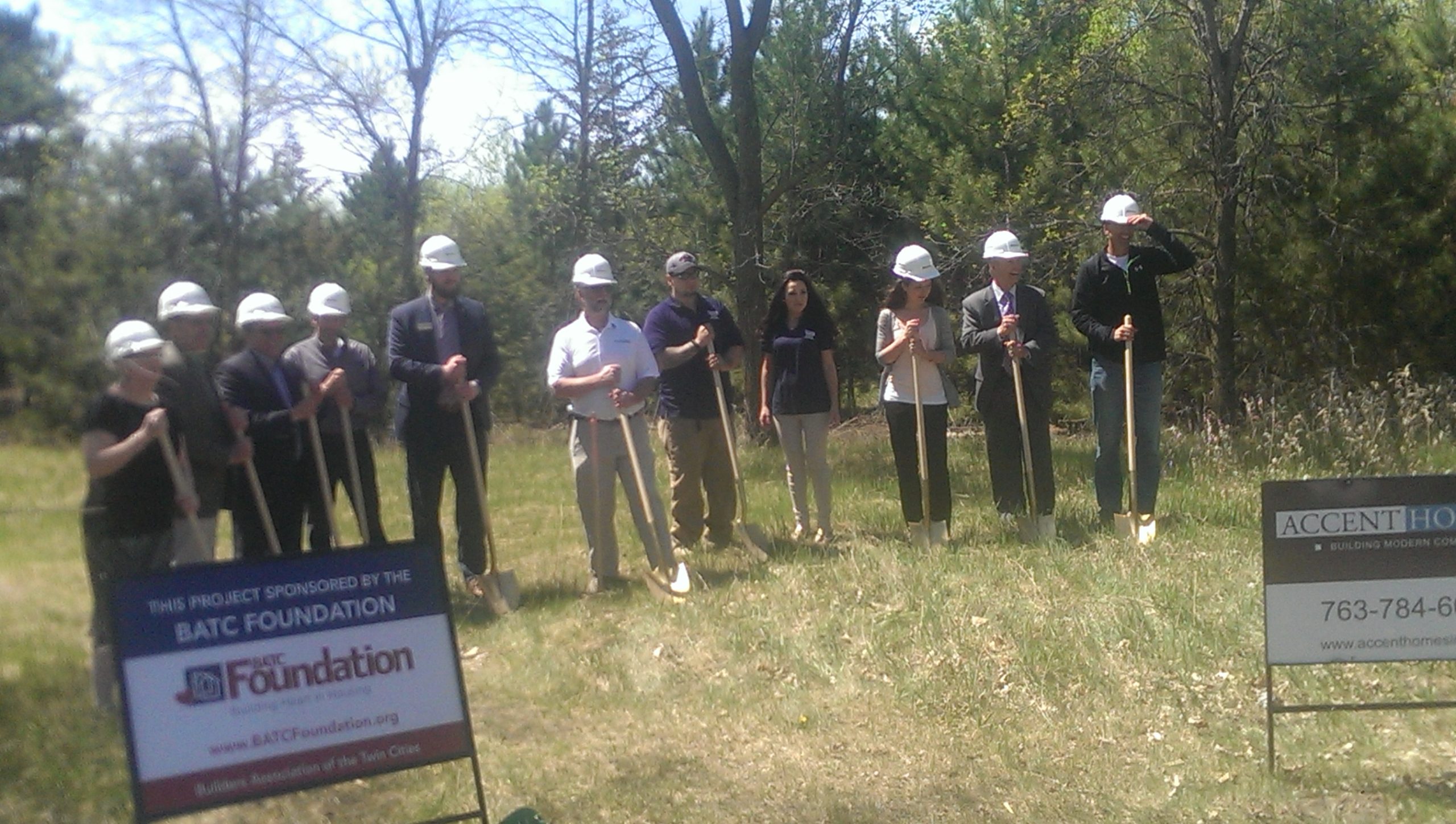
Homes For Our Troops (HFOT) – Groundbreaking – Marco Solt Residence

MN Association of Exterior Specialists has joined BATC and Lyman Roofing and Siding to help with donations and the contribution effort for HFOT and the Solt residence.

Homes for our troops is a privately funded non-profit organization that has completed over 180 homes for wounded veterans nationally. 90% of funds raised go directly to wounded veterans. The Solt home will be the 2nd project in MN done by HFOT. Later this year, they will start a 3rd house in Moorhead for a MN National Guard soldier who was injured on a deployment with the 34th Infantry Division Red Bulls.

In the United States, we have over 1.7 million veterans who have deployed since 2001 with 34% deploying more than one time. Roughly one of every 5 suffers from a major depression or PTSD, with only half getting treatment. The Solt home is an example of how we can help our fellow veteran-citizens with the challenges they face.

Please, think about your neighbors, the families at your church or that individual at work that may need help. Just last week we had approximately 500 soldiers of the 34th ID combat aviation brigade from the twin Cities return from a year long deployment. The reintegration process is difficult, please do whatever you can to help out.

2020-01-21T09:54:50-06:00

Bluebird House Project

The Blue Bird House is a group home operated by Homeward Bound in Plymouth that provides 24 hour care for four medically fragile men. The home has been transformed by the addition of a light filled great room, the addition of a second bathroom and bedroom, more storage and a first floor laundry room. MNAES provide all siding material and labor through Iron River Construction. On February 17th keys will be turned over to the Bluebird House at a key ceremony.


2020-01-21T09:55:30-06:00
Go to Top